

GLOBAL &
Great Taste Comes First.
But What Makes It Great?
2026. Aug 21. INSIGHTS
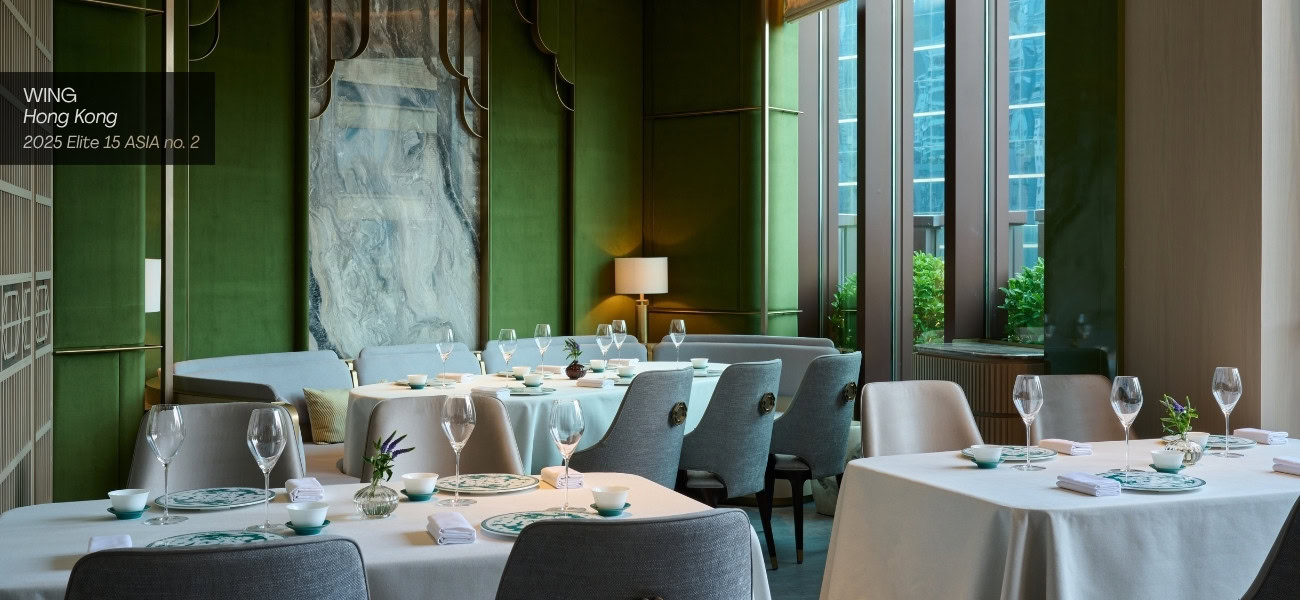
September and October are important months for the Chinese Restaurant Awards. This is when the work of our Taste Advisors comes into focus as we prepare to announce this year’s selections across Canada, the United States and Asia.
Today, 63 Taste Advisors across three regions bring their own experiences, knowledge and perspectives to the table. Some come from food writing and journalism, others from restaurants, hospitality, travel and culinary culture. What connects them is a shared curiosity about Chinese dining — and a simple principle at the heart of the Awards:
Great taste comes first.
But what makes it great?
That question is not as simple as it sounds. Chinese dining has travelled across generations and borders, shaped by migration, local cultures and the people who carry these traditions with them. Regional cuisines are becoming better understood, chefs are finding new ways to express heritage, and diners are looking beyond the familiar.
We asked seven Taste Advisors what they are seeing.
Seeing Chinese dining through a wider lens
For Toronto-based food writer Renée Suen, an Academy Chair for both The World’s 50 Best Restaurants and North America’s 50 Best Restaurants, the Canadian scene is entering a new phase.
“Canada’s Chinese and Taiwanese dining landscape has entered a new phase of appreciation, one where regional cuisines, chef-driven interpretations, and a deeper respect for culinary lineage are finally taking centre stage. Second-generation cooks are reclaiming their heritage through a contemporary lens, while newcomers introduce hyper-local flavours and specialized traditions. At the same time, diners are growing more knowledgeable, becoming attuned to these nuances and increasingly asking for more.”
Hong Kong-born food writer, photographer and historian Hei Kiu Au, a Yenching Scholar at Peking University, sees a similar movement across Asia.
“Diners and chefs are moving beyond generic ‘Chinese food’ toward regional specificity – Teochew, Hakka, Huaiyang, Hunan – driven by a generation of chefs who have worked abroad and returned to reinterpret their heritage on their own terms.”
The more we learn about Chinese cuisine, the more difficult it becomes to describe it as one thing.
That is especially true in the United States, where generations of migration have created their own culinary stories.
Virginia Miller, an Academy Chair for The World’s 50 Best Restaurants and North America’s 50 Best Restaurants, has spent years writing, judging and travelling through the world of food and drink. Having grown up around large Chinese and Asian communities in New York and Los Angeles before making San Francisco her home, she has developed a particularly personal connection to Chinese-American dining.
“Chinese American food is its own cuisine and, like most Chinese food trends, started in San Francisco a good century ago…”
Tradition, but not standing still
For U.S. restaurateur Bolun Yao, the conversation has moved beyond the old question of authenticity versus adaptation.
“For many years, the conversation was often centered around authenticity versus adaptation.”
What he sees now is a generation more comfortable bringing different influences into their cooking while staying connected to where they come from.
“They are rooted in their cultural heritage while also drawing inspiration from global techniques, local ingredients, and their own personal experiences. This has led the dining scene to become more diverse, nuanced, and representative of the many regional and cultural identities that exist within the Chinese-speaking world.”
In Vancouver, Winston Chan, Senior Vice President of Sales at Sotheby’s International Realty Canada, comes to Chinese dining through a lifetime of eating, family influence and restaurant experience. His father introduced him to everything from celebrated Cantonese restaurants in Hong Kong to dai pai dongs and everyday comfort food.
Today, he looks at Chinese dining alongside the wider world of contemporary hospitality.
“Because I eat across so many different cuisines, I don’t look at Chinese or Taiwanese food in a vacuum—I evaluate it against global luxury and contemporary dining standards. I’m looking for authenticity, great execution, and how well a restaurant tells its story to a modern Canadian audience.”
When the experience becomes part of the food
For Genta Maulana Mansyur, founder of Sourmimosa Media, Chinese dining across Asia is also a reflection of the places where it has taken root.
“Chinese cuisine outside Mainland China is no longer simply about preserving tradition, it has evolved into a cultural dialogue shaped by migration, local ingredients, hospitality standards, and modern luxury. Every destination interprets it differently.”
His work in luxury travel and hospitality has given him the opportunity to experience Chinese dining across Asia, from heritage establishments to contemporary fine dining.
For him, the best experiences are increasingly about more than the food itself.
“Today, the most memorable experiences are not only about the cuisine itself, but also about storytelling, tea culture, architecture, service philosophy, and emotional connection.”
Jin Perez-Go, born in Taipei and based in Manila, brings a traveller’s perspective. A Travel + Leisure Tastemaker, she sees food as a way of understanding culture and creating memories.
“The Chinese dining scene is more exciting than ever, with chefs embracing their heritage while bringing fresh perspectives to the table, creating identities that reflect both tradition and their local cultures.”
For Perez-Go, Chinese cuisine is becoming “increasingly regional, personal, and story-driven.”
So, what makes it great?
Maybe there is no single answer.
It can be a regional technique passed down through generations. It can be a chef finding a new way to express a family tradition. It can be a restaurant that feels deeply connected to its city. Or it can simply be a dish that makes you want to take another bite.
For Au, the future will be about knowing what is worth preserving while remaining open to what comes next.
“Chefs will become culinary archivists, diners will demand to know where ingredients come from and how they were made, and the boundaries between regional Chinese cuisines and global traditions will continue to blur.”
That may be the most interesting thing about Chinese dining today. It is not standing still, and it does not need to choose between heritage and evolution.
Across three regions, our Taste Advisors are seeing different expressions of the same thing: a cuisine becoming more confident in its identity, more curious about its possibilities, and more willing to speak in its own voice.
And for us, it still comes back to the same place.
Great taste comes first.


