

Chinese Tea Pairing: The Next Frontier of Fine Dining
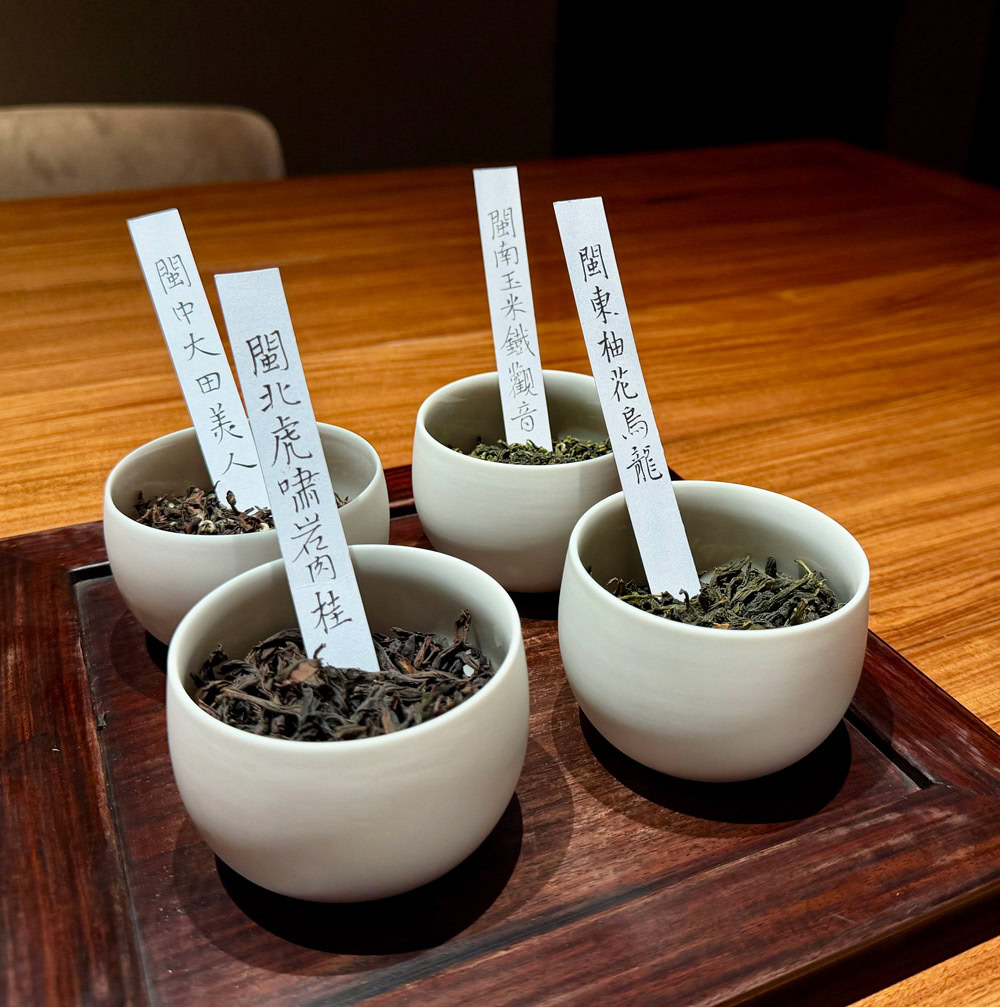
At Fu He Hui, the tasting menu’s Chinese tea pairing option is now featuring these four kinds of tea from Fujian region: Mindong Pomelo Blossom Oolong, Minnan Corn Tieguanyin, Minbei Tiger Roar Cinnamon, Minzhong Datian Beauty
2026. Feb 1. INSIGHTS by RK
−
I first visited Fu He Hui in Shanghai in 2019, and even then, I was mesmerized by the care with which teas were selected. Tea wasn’t an afterthought; it was a co-star, guiding each bite, accentuating flavors, and creating a rhythm across the meal. Returning in early January, I found that this dedication has only deepened — the restaurant’s approach feels more sophisticated, more deliberate, and utterly immersive.
At Fu He Hui, master chef Tony Lu crafts over 10 courses in his Zen-inspired vegetarian menu, drawing from a repertoire of more than 500 original dishes created since the restaurant opened in 2014. This time, four distinct Fujian teas accompanied the progression of dishes, each thoughtfully chosen by the owner to complement the menu. Each tea comes with tasting and aroma notes, and the servers guide diners through the reasoning behind every selection. It’s a sensory journey: tea lifts flavors, enhances textures, and transforms the meal into a dialogue between leaf and plate.
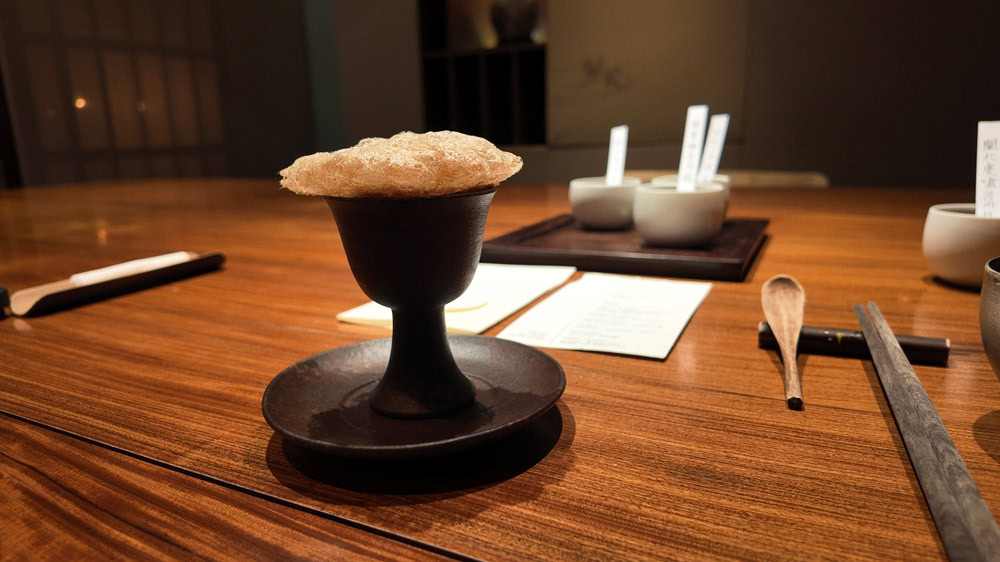
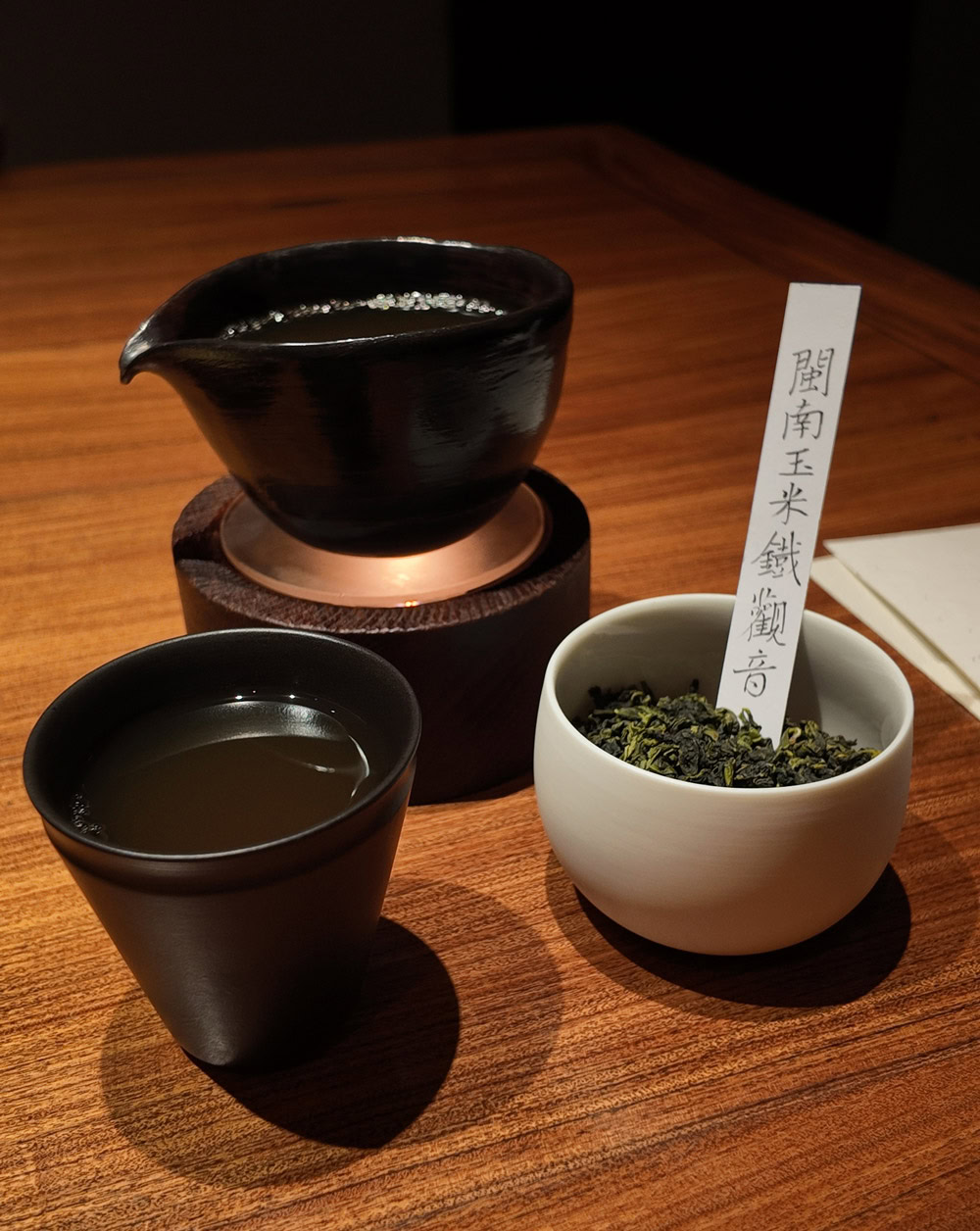
Equally compelling was Meet the Bund in Shanghai, championing emerging Mincai — Fujianese cuisine. Multiple courses were paired with teas, each accompanied by note cards detailing origin, roast level, tasting profiles, and flavor intentions. Tea here is not a background beverage; it’s an educational experience, a bridge between culture and cuisine, flavor and story.
The rise of these programs reflects a larger shift in Chinese fine dining. Tea is no longer an afterthought or a simple palate cleanser; it is commanding the same reverence historically reserved for wine. This evolution has not gone unnoticed — Michelin Beijing awarded its first-ever Sommelier Award to a tea sommelier, Na Ji, senior tea sommelier of Lu Shang Lu, a Shandong cuisine restaurant, recognizing mastery of tea tasting, pairing, and service at the highest professional level.
What makes great Chinese tea pairing so compelling today is the thoughtfulness behind every choice — the seasonality of the leaves, their provenance, their aroma, and the vision behind how they accompany the cuisine. Tea pairing creates harmony rather than contrast, enhancing rather than competing with the flavors on the plate. It’s a sensory dialogue, a journey that celebrates centuries of tradition while inviting contemporary interpretation.
Tea pairing isn’t a new world to explore; it’s an ancient world being rediscovered, one that offers a depth of flavor, culture, and sophistication that rivals even the most storied wine programs. And next time you choose a Chinese restaurant to truly experience, see if they offer a tea pairing menu. There’s a whole universe of flavor waiting to be discovered — one sip at a time.
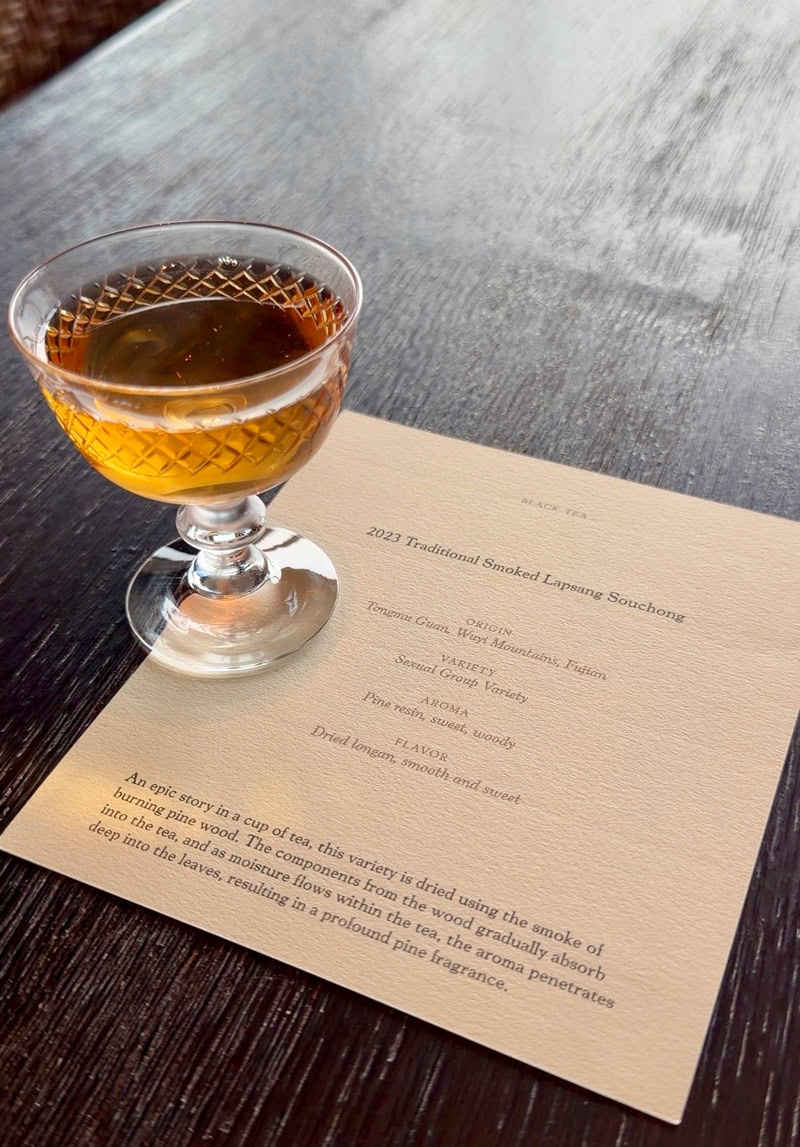
Meet the Bund, Shanghai. An exploration of modern Mincai through a thoughtful tea-pairing experience, with each course matched to teas presented alongside cards describing origin, roast, and flavor intention.